

Why packaging decisions matter more than you think
There are a lot of distilleries, wineries and breweries that start thinking about packaging from a “how cheap can I do this?” perspective. And just as many take the opposite approach, asking “how expensive can I get this to look?” Neither option is right nor wrong. But without a strategy behind the choice, both can hurt your bottom line.
I’ve seen labels printed on home printers, where the colour ink was clearly running low. I’ve also reviewed a proposal for a low value wine that included packaging it in wooden crates. Both examples were well intentioned, but neither considered whether the packaging supported the price point or the margins.
Packaging isn’t just about how your product looks on a shelf. It affects everything from freight and storage to production time, wastage and customer experience. These costs often go unnoticed until they start affecting your profitability.
If you’ve never taken a closer look at how your packaging choices affect your pricing and profitability, or you haven’t reviewed them in a while, now’s the time.
What makes packaging profitable or costly
Packaging plays two key roles in your business. First, the functional side, like protecting your product, enabling smooth production and freight, and meeting any legal labelling requirements. Second, the psychological side, e.g. what your packaging communicates to the customer about the quality, value and experience of your product.
From a marketing point of view, packaging can influence whether someone even picks up the bottle. Colour, finish, material, weight and the overall feel all shape how your product is perceived. A well designed label can help support a premium price, while poor presentation can make it harder to sell, even if the product inside is excellent.
But none of that matters if the packaging is destroying your margin. Every decision, whether it’s a unique bottle shape, multiple label versions, high minimum order quantities or special finishes, can increase your cost per unit. The more complexity in your packaging, the harder it becomes to maintain profit at your current price point.
This doesn’t mean you have to strip everything back to the cheapest option. The goal is to find packaging that works for your product, your customer and your cost structure.
How to evaluate and improve your packaging choices
Now that you are thinking about how packaging impacts both perception and profitability, let’s look at how to review your own setup. These steps will help you assess your current packaging, identify where costs might be higher than they need to be, and make more strategic decisions moving forward.
You don’t need to overhaul everything at once, but knowing where to look is the first step toward better margins and stronger brand positioning.
1. Review your packaging costs in detail
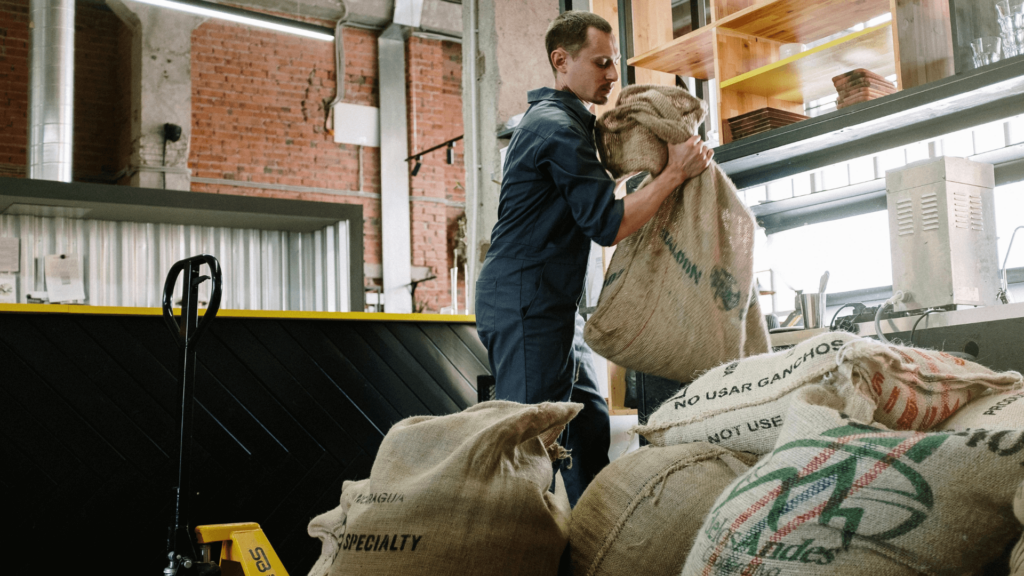
Start by breaking down your packaging costs beyond just “dry goods at x per bottle.” Look at the full picture, including freight, storage, design and setup fees, wastage, and any extras like wax seals, embossing or custom cartons. These often get overlooked, particularly when you combine costs in a single account in your P&L, but they can significantly increase your per unit costs.
If you bottle or label in house, don’t forget to include the labour and equipment costs involved. If you use a third party, consider whether your packaging choices are adding to your costs by slowing down production or requiring more handling.
To help with this, the Profit Margin Spreadsheet is a great tool for diving into the cost base of your packaging. It will show you how those costs flow through to your per unit margins and where you might have opportunities to reduce or recover them.
2. Assess packaging consistency and efficiency
Take a look at whether your packaging choices are helping or hindering your operations. Are you ordering consistently, or switching between suppliers and materials depending on availability? Inconsistent packaging can lead to delays, mismatched branding and unexpected costs.
Think about how efficiently your packaging runs through your production process. Are your labels easy to apply? Do bottle shapes or closures create bottlenecks on the line? Are you having to rework or discard stock due to alignment issues, quality problems or label damage?
Even small inefficiencies in packaging can create friction in your workflow. That friction often translates into added labour, waste or lost time, all of which affect your profitability.
3. Consider how packaging supports your pricing
Your packaging doesn’t just need to look good, it needs to make sense for your price point. If your product is positioned as a premium offering, your packaging needs to reflect that quality. If it looks too basic, customers may hesitate to pay your asking price. On the flip side, if you’ve invested heavily in high end packaging but your product is more mid tier, you might be pricing too low to recover those costs.
Ask yourself whether your packaging helps justify your price. Does it build confidence in the value of the product? Or does it create a disconnect between what people see and what you’re charging?
Getting this right is key to protecting your margins. The aim isn’t to over invest in packaging, it’s to find the balance where your packaging enhances the product without eroding your profitability.

4. Balance function with perception
Some packaging decisions are driven by how something looks, others by how well it works. The sweet spot is when you get both. A cost effective option doesn’t have to look cheap, and something visually striking doesn’t have to blow out your cost of goods.
Look for places where you can make small changes that reduce cost without affecting how your product is perceived. Could you simplify label finishes, reduce the number of packaging variations, or change bottle shapes to better fit freight options? On the flip side, are there ways to slightly enhance your packaging, like improving colour quality or using a thicker label stock, that lift perception without adding significant cost?
Packaging should do more than just hold your product. It should support your pricing, your processes and the experience you want your customers to have.
5. Use your packaging as a sales tool
Packaging isn’t just a cost to manage, it’s also an opportunity to add value. One simple but powerful way to do this is by linking your physical packaging to digital content. As long as your labelling regulations allow, a QR code on your bottle or carton can take customers straight to a video that explains how the product was made, tells your story or shows how to serve it. It turns your packaging into an experience, not just a container.
This kind of connection builds trust and loyalty, especially for customers who are trying your product for the first time. And it doesn’t have to cost much. A small design change to include a QR code or short web link can drive engagement and reinforce why your product is worth the price.
If you’re already investing in good branding and product quality, make sure your packaging works just as hard to support the sale.
Final thoughts
Packaging has a bigger role in your business than just looking good or meeting compliance requirements. It affects how your product is perceived, how efficiently it moves through production, and how much profit you make on every bottle.
You don’t have to choose between cheap and expensive. The most profitable packaging decisions sit somewhere in the middle, where your packaging supports your pricing, reflects your brand, and fits smoothly into your cost structure.
If it’s been a while since you reviewed your packaging setup, or if you’ve been making decisions based mostly on price or aesthetics, now’s the time to take a closer look.
Next steps
If you’re not sure how your packaging is affecting your profitability, start by running the numbers. Download the Profit Margin Spreadsheet and plug in your current packaging costs. It will show you how much of your margin is being absorbed, and where you might be able to make improvements.
If you’d rather talk it through, book a call and let’s take a look at how your current packaging setup is working for your business. Sometimes small changes can make a big difference to both your margins and your marketing.